

Why Should You Constantly Monitor Your Coolant Temperature?
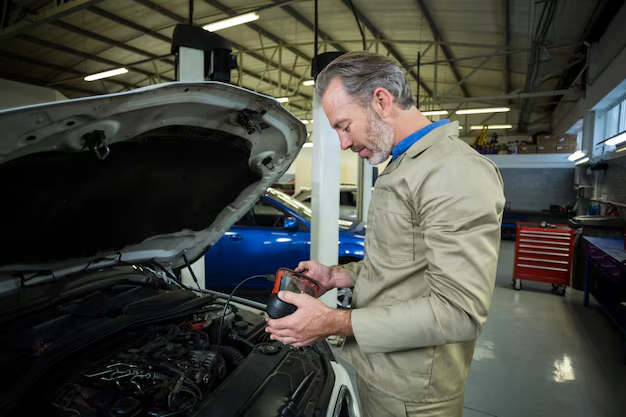
Most drivers pay attention to fuel level, speed, and maybe oil changes, but there is one gauge that quietly does a lot of heavy lifting under the hood: your coolant temperature. It sits there on the dashboard, easy to ignore until it is suddenly not. When that needle starts creeping up or a warning light flashes, things can get stressful fast. Understanding why coolant temperature monitoring matters can save you from breakdowns, costly repairs, and even complete engine failure.
Whether you drive a daily commuter, a heavy duty work truck, an RV, or farm equipment working the fields around Deming, keeping an eye on engine coolant temperature is one of the smartest habits you can develop as a vehicle owner.
What engine coolant temperature really tells you
Your engine produces an enormous amount of heat. Every combustion cycle creates temperatures that would quickly destroy metal components if they were not controlled. That is where the cooling system comes in. Coolant circulates through the engine, absorbs heat, and releases it through the radiator so the engine stays within a safe operating range.
Engine coolant temperature is the clearest indicator of how well this system is doing its job. When everything is working properly, the temperature stays within a narrow window designed by the manufacturer. Too cold and the engine does not run efficiently. Too hot and you are on the path toward serious damage.
Coolant temperature monitoring gives you real time feedback on this balance. It lets you know when the engine is warming up normally, when it is under stress, or when something is starting to go wrong behind the scenes.
Why monitor coolant temperature every time you drive
Many drivers assume that if the car is moving, everything must be fine. Unfortunately, cooling system problems often develop gradually and quietly. By the time steam is pouring out from under the hood, the damage is usually already done.
Monitoring coolant temperature helps you catch issues early, often before they turn into major repairs. A slightly higher than normal reading could point to low coolant, a failing thermostat, a clogged radiator, or a worn water pump. Addressing these problems early is far cheaper and far less disruptive than dealing with a blown head gasket or warped engine components.
In southern New Mexico, heat adds another layer of importance. High ambient temperatures, long highway drives, towing, and heavy loads all put extra strain on your cooling system. For work trucks, RVs, and agricultural equipment, coolant temperature monitoring is not optional. It is essential.
The importance of coolant temperature for engine health
The importance of coolant temperature goes beyond preventing overheating. Modern engines are designed to operate at very specific temperatures for optimal performance, fuel efficiency, and emissions control.
When an engine runs too hot, oil breaks down faster, losing its ability to lubricate critical components. Metal parts expand beyond their intended tolerances, increasing wear and friction. Seals and gaskets harden and crack, leading to leaks that only make the problem worse.
On the flip side, an engine that never reaches proper operating temperature also suffers. Fuel does not burn as efficiently, carbon deposits build up, and fuel economy drops. In some cases, coolant temperature sensors that are out of range can even cause drivability issues or trigger warning lights.
By paying attention to coolant temperature monitoring, you help ensure your engine stays right where it should be, not too hot and not too cold.
Warning signs your coolant temperature needs attention
Your dashboard gauge or warning light is your first line of defense, but it is not the only sign something may be wrong. Knowing what to look and listen for can help you act before the situation escalates.
A temperature gauge that climbs higher than usual during normal driving is an obvious red flag. If it spikes during idle, heavy traffic, or towing, that is also worth noting. Fluctuating readings can indicate air in the system or a thermostat that is sticking open or closed.
Other symptoms often accompany coolant temperature issues. You might notice a sweet smell from leaking coolant, visible puddles under the vehicle, reduced heater performance, or warning messages on newer vehicles. In more severe cases, you may see steam from under the hood or hear knocking sounds from the engine.
If any of these signs appear, it is time to stop driving and have the vehicle inspected. Continuing to drive with an overheating engine can turn a manageable repair into a major overhaul.
How coolant temperature affects different types of vehicles
Not all vehicles face the same demands, but coolant temperature monitoring matters across the board.
For passenger cars and light trucks, stop and go traffic, long commutes, and summer heat are common stressors. A small coolant leak or weak radiator fan can quickly become a big problem under these conditions.
Heavy duty trucks and commercial fleets often operate under constant load. Towing, hauling, and long hours on the road generate more heat, making cooling system reliability critical to uptime and profitability.
RVs and motorhomes face unique challenges. Their engines work hard pushing heavy loads, often in hot weather and at highway speeds for long stretches. Overheating in an RV can ruin a trip and leave you stranded far from help.
Farm equipment and industrial machinery work in dusty environments where radiators can become clogged. These machines may not have the same dashboard warnings as modern cars, making regular checks and monitoring even more important.
At Big Sky Tire & Repair, technicians work on all of these vehicle types and understand how coolant temperature issues show up differently depending on how and where the equipment is used.
Common causes of coolant temperature problems
Understanding what typically causes temperature issues helps explain why monitoring matters so much. Cooling systems are made up of several components, and a failure in any one of them can disrupt the whole system.
Low coolant levels are one of the most common causes. Leaks can develop in hoses, radiators, water pumps, or even internally within the engine. Without enough coolant, heat cannot be carried away effectively.
Thermostats regulate coolant flow. If a thermostat sticks closed, coolant cannot circulate and the engine overheats quickly. If it sticks open, the engine may never reach proper temperature.
Radiators and cooling fans are responsible for releasing heat. Dirt, debris, or damaged fins reduce airflow. Failed fans or fan clutches prevent heat from dissipating, especially at low speeds.
Water pumps keep coolant moving. When they wear out, circulation slows or stops, leading to rapid temperature increases.
Coolant temperature sensors themselves can also fail, giving false readings. While this may not cause overheating directly, it can mask a real problem or trigger unnecessary warning lights.
Regular inspections and paying attention to coolant temperature trends help catch these issues before they cause lasting damage.
Why modern vehicles make coolant temperature monitoring easier
Advancements in vehicle technology have made coolant temperature monitoring more accessible than ever. Digital gauges, warning messages, and diagnostic systems provide clearer information than older analog dials.
Many vehicles now adjust engine operation based on coolant temperature, altering fuel delivery, ignition timing, and even transmission behavior. This makes accurate temperature data even more important.
For fleet owners and operators of heavy equipment, aftermarket monitoring systems can provide detailed temperature data and alerts. These tools help prevent downtime by catching issues early.
Even with advanced technology, the driver remains a key part of the equation. No system can help if warnings are ignored or misunderstood.
Preventive maintenance starts with temperature awareness
One of the biggest benefits of coolant temperature monitoring is how it supports preventive maintenance. When you notice small changes in temperature behavior, you can address them during routine service instead of waiting for a breakdown.
Simple maintenance steps like coolant flushes, pressure tests, and hose inspections go a long way toward keeping temperatures stable. These services are far less expensive than engine repairs and help extend the life of your vehicle or equipment.
At a full service shop like Big Sky Tire & Repair, cooling system checks are often part of a broader inspection. Technicians look at belts, hoses, radiators, and related components to ensure everything works together as designed.
This approach is especially valuable for drivers in Deming who rely on their vehicles for work, travel, or daily life. Preventive care means fewer surprises on the road or in the field.
How ignoring coolant temperature can cost you
It is tempting to dismiss a slightly high reading or a brief warning light, especially if the vehicle still seems to run fine. Unfortunately, engines rarely forgive neglect.
Overheating can warp cylinder heads, crack engine blocks, and destroy head gaskets. These repairs are among the most expensive a vehicle can face and may exceed the value of older cars.
Even less severe overheating events shorten engine life and reduce reliability. What starts as a minor issue can lead to repeated breakdowns, lost time, and mounting repair bills.
Considering the cost of modern engines and equipment, monitoring coolant temperature is one of the simplest and most effective ways to protect your investment.
Making coolant temperature monitoring a habit
Developing the habit is easier than you might think. Glance at the temperature gauge when you start the vehicle and again during longer drives. Learn what normal looks like for your specific vehicle.
Pay attention to changes rather than just absolute numbers. If the gauge suddenly behaves differently, even if it is not in the red, that is worth investigating.
Do not ignore warning lights or messages. They exist for a reason, and acting quickly often prevents bigger problems.
Pair awareness with regular maintenance from a trusted repair shop. Having professionals who understand your vehicle and how you use it makes all the difference.
Keeping you moving with confidence
Monitoring coolant temperature is not about fear or obsessing over gauges. It is about awareness and prevention. By understanding why monitor coolant temperature matters, you put yourself in control of your vehicle’s health and reliability.
If you have noticed unusual temperature readings, warning lights, or signs of cooling system trouble, now is the time to act. Schedule an inspection, ask questions, and get clear answers from technicians who value transparency and communication.
Reach out to Big Sky Tire & Repair in Deming today to request an appointment or call for details. Whether you drive a car, truck, RV, or operate heavy equipment, their certified team is ready to help keep your engine running at the right temperature and your day moving forward.