
Everything You Need to Know About Off-The-Road (OTR) Tires for Heavy Equipment
When you think of tires, your mind probably jumps to the four sitting underneath your daily driver. But there’s another category of tire that’s just as essential, especially for industries that rely on powerful machines to get the job done. These are Off The Road (OTR) tires. Designed for rugged terrains and extreme environments, OTR tires are the unsung heroes of construction sites, mining operations, farms, and industrial yards across the country.
If you’re a car owner, you may never need a set of these massive tires yourself—but if you work in an industry that runs heavy equipment, or even own property where such machinery operates, understanding OTR tires could save you time, money, and headaches down the road. At Big Sky Tire & Repair in Deming, NM, we don’t just handle passenger vehicles—we specialize in OTR tire services for every kind of off-road equipment. Here’s what you need to know.
What Are OTR Tires?
OTR stands for “Off The Road,” and that’s exactly where these tires are made to thrive. Unlike the tires on your car or truck, OTR tires are built to handle soft ground, rocky trails, construction debris, steep inclines, and everything in between. You’ll find them on:
- Earthmovers
- Wheel loaders
- Bulldozers
- Cranes
- Graders
- Mining trucks
- Agricultural and forestry equipment
These aren’t your average tires—they’re often several feet tall and weigh hundreds, even thousands of pounds. Their design focuses on delivering maximum stability, traction, and durability in the most punishing environments.
Key Features of OTR Tires
To understand why OTR tires matter, you need to understand what makes them different from standard tires. Here are the core elements:
- Heavy-Duty Construction
OTR tires use multiple layers of reinforced rubber, thick sidewalls, and advanced tread compounds that withstand high loads and abrasive surfaces. Many even include steel belts or bead reinforcements for added strength. - Specialized Tread Patterns
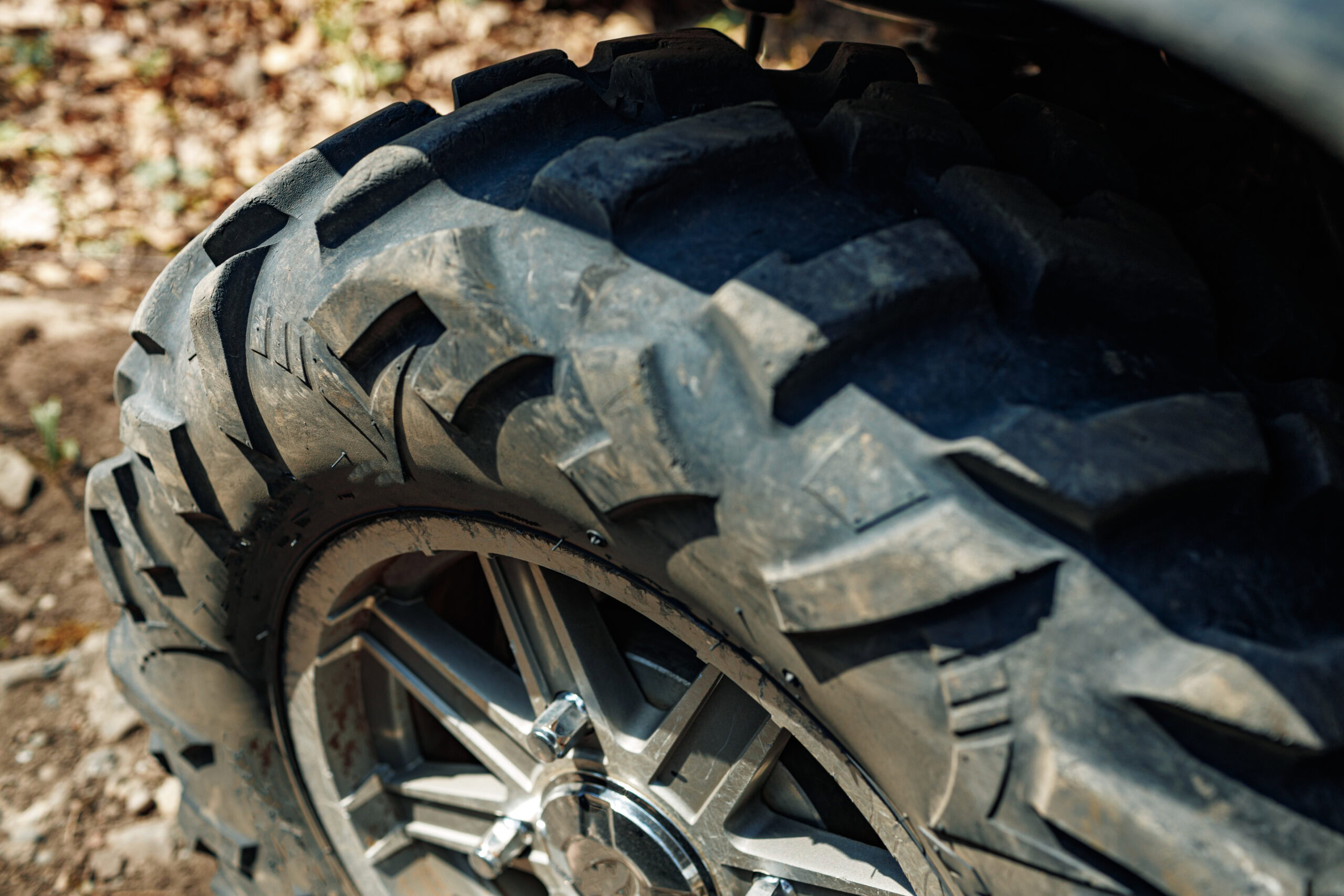
Each OTR tire is purpose-built. Whether it’s for traction in muddy terrain or stability on gravel or asphalt, the tread is matched to the equipment’s job and operating environment. Deep lugs, aggressive shoulders, and large voids are common. - Heat and Cut Resistance
OTR tires face enormous stress. That means they need to resist damage from sharp debris, heat buildup, and constant flexing. Manufacturers engineer these tires with high-performance rubber compounds to meet those demands. - Load Ratings and Ply Ratings
OTR tires are rated for heavy loads—many exceeding tens of thousands of pounds. Ply ratings give you insight into a tire’s strength and are critical when matching tires to equipment type and job application.
Common Types of OTR Tires
Just like road-going vehicles, not every off-road machine uses the same type of tire. Here are some common categories you might encounter:
E-Tires (Earthmover Tires) – Used for dump trucks and other earthmoving machines. Designed for long service life, high loads, and heavy-duty traction.
L-Tires (Loader and Dozer Tires) – Built for use on wheel loaders and bulldozers. These prioritize cut resistance and traction in loose soil.
G-Tires (Grader Tires) – Built for graders that need sharp steering and smooth ride quality over a range of terrain types.
R-Tires (Rough Terrain Cranes) – Designed for mobile cranes that work on uneven, gravelly, or unpaved surfaces.
F-Tires (Farm and Forestry Equipment) – Common in agriculture and logging, these tires handle soft soil, mud, and uneven land.
Choosing the right tire type is critical. An OTR tire that’s ideal for a mining site might fail quickly on a farm. That’s why tire selection should always match both the machine and the working environment.
Signs You Need OTR Tire Replacement
Even the toughest OTR tires wear out eventually. Ignoring the signs can lead to machine downtime, costly damage, or worse—accidents. Here’s how to know it might be time for a replacement:
- Deep or uneven tread wear
- Visible cracks, cuts, or chunking in the sidewall or tread
- Reduced traction or slipping, especially in wet or loose material
- Bulging or sidewall damage—these are structural failures waiting to happen
- Increased vibration or poor ride quality while operating equipment
Big Sky Tire & Repair provides professional inspections to determine whether your OTR tire is still serviceable—or if it’s time to install a replacement.
Why Proper Installation and Maintenance Matter
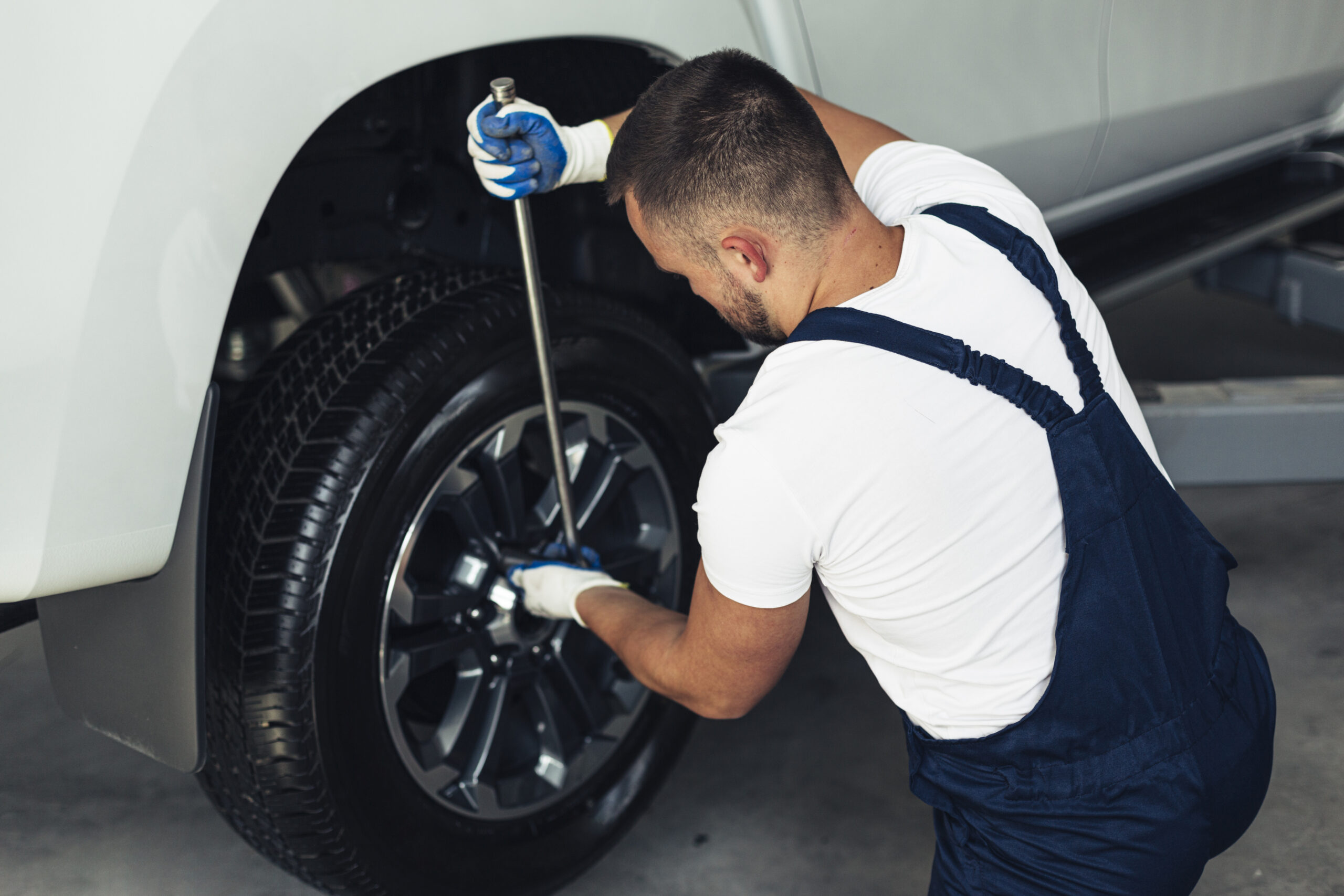
Installing OTR tires isn’t just about muscle—it’s about precision and safety. Each tire must be mounted to spec, torqued correctly, and matched to the equipment’s weight and load distribution. Improper installation can lead to rapid wear, blowouts, or damage to the machine itself.
We’ve seen the difference proper service makes. That’s why our certified technicians at Big Sky Tire & Repair go beyond installation. We offer full support, including:
- Pressure checks and optimization
- Rotation and balancing when needed
- On-site inspections and service for large equipment
- Emergency roadside OTR tire repair around Deming, NM
The investment you make in professional maintenance pays off with longer tire life, better performance, and safer operation.
How to Choose the Right OTR Tires
The right off-road heavy equipment tires depend on three major factors:
- Application – Mining, farming, construction, or logging? Each has specific demands.
- Terrain – Sand, mud, rock, or clay all require different tread designs and rubber compounds.
- Load Requirements – Know the maximum weight your equipment will carry or tow. That determines the tire’s ply rating and pressure spec.
If you’re not sure, don’t worry. At Big Sky Tire & Repair, we help customers in and around Deming make the right choice every day. Whether you’re outfitting a single machine or a full fleet, we’ll recommend the best OTR tires from top brands based on your real-world usage.
Benefits of Partnering with a Local OTR Tire Specialist
Working with a trusted OTR tire provider like Big Sky Tire & Repair has serious advantages. Here’s why more heavy equipment operators rely on us:
- Quick response times – Our mobile tire services and roadside assistance mean less downtime for your business.
- Experienced technicians – We’ve worked with everything from wheel loaders to skid steers and backhoes.
- Transparent pricing – No surprise fees, just honest service.
- Name-brand tires – From Michelin to Ironman, we stock the brands you trust.
- Flexible financing – Easy payment plans mean you don’t have to delay urgent repairs or replacements.
Whether you’re on a remote job site or managing a construction crew across Deming, we bring the expertise and tools to keep your equipment rolling strong.
When your business relies on heavy equipment, tire performance isn’t a luxury—it’s a necessity. From earthmoving machines to agricultural workhorses, OTR tires take on the toughest jobs day after day. But just like any part of your vehicle or machine, they need to be chosen wisely, installed correctly, and serviced regularly to get the most out of them.
If your operation depends on reliable off-road performance, don’t wait for a blowout to take action. Call Big Sky Tire & Repair today to schedule a professional OTR tire consultation or mobile service.