

Cold Weather Is Coming: 7 Tire Checks Every Deming Driver Needs Before Winter Hits
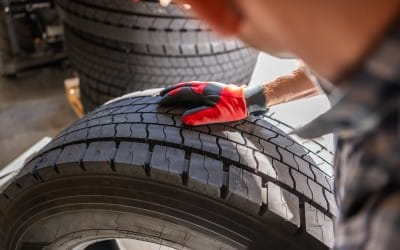
October can feel unpredictable in Deming. A warm afternoon may give way to a sharp overnight temperature drop, and those swings can affect your tires before winter weather even arrives. When tire pressure falls, tread is already worn, or a hidden sidewall problem goes unnoticed, your vehicle may have less traction and stability when you need it most.
The good news is that a short fall inspection can uncover many problems early. Before colder mornings become routine, use this seven-point checklist to prepare your vehicle for safer winter driving.
Why Fall Is the Right Time to Check Your Tires
Tires naturally lose pressure as the air around them cools. As a general rule, pressure drops by about 1 PSI for every 10°F decrease in temperature. That means a tire that looked properly inflated during a warm September afternoon may be noticeably underinflated on a cold October morning.
Underinflation can reduce fuel economy, increase heat buildup, accelerate shoulder wear, and affect handling. It can also make a tire more vulnerable to damage from potholes, road debris, and rough shoulders.
The National Highway Traffic Safety Administration recommends checking tire pressure regularly, particularly before long trips and whenever the seasons change. A fall check gives you time to correct small problems before they turn into a flat or roadside emergency.
1. Check Tire Pressure When the Tires Are Cold
The first step is simple: check the pressure in all four tires, not just the one that looks low.
For the most accurate reading, check your tires before driving or after the vehicle has been parked for several hours. Use the pressure listed on the driver’s door-jamb sticker or in your owner’s manual. The number printed on the tire’s sidewall is the maximum pressure the tire can hold, not necessarily the correct pressure for your vehicle.
Remember to check:
- All four road tires
- The spare tire
- The inside dual tires on trucks, if equipped
- Valve caps and valve stems for damage or missing parts
Do not adjust pressure based only on appearance. A tire can be several PSI low and still look normal. If one tire repeatedly loses air, it may have a puncture, damaged valve stem, or bead leak that needs professional attention.
2. Measure the Tread Before Traction Becomes a Problem
Tread is what helps your tires channel water and maintain contact with the road. As it wears down, your stopping distance can increase, especially on wet, cold, or slippery pavement.
The legal replacement point is generally 2/32 of an inch, but waiting until the tread reaches that level leaves little margin for changing conditions. Many tire professionals recommend considering replacement around 4/32 of an inch when preparing for winter driving.
You can perform a basic check with a tread-depth gauge or use the familiar coin method as an initial screening:
- Insert a quarter into the tread groove.
- If the top of Washington’s head is visible, the tread may be near 4/32 of an inch or less.
- If the tread does not cover part of Lincoln’s head on a penny, the tire may be at or below 2/32 of an inch.
Check several locations across each tire rather than measuring in only one spot. If the tread is shallow in some areas but not others, the problem may involve alignment, suspension, inflation, or tire rotation.
A tread check is helpful, but it is not a substitute for a professional inspection. A technician can measure the tires accurately and help you determine whether replacement is urgent or simply something to plan for.
3. Look for Uneven Wear Across the Tread
Uneven wear often develops gradually, so you may not notice it from behind the steering wheel. Run your hand across the tread and look for patterns such as:
- More wear on one shoulder
- A smooth strip down the center
- Cupped or scalloped sections
- Patchy bald spots
- Tread blocks that feel sharper in one direction
These patterns can point to incorrect tire pressure, poor balance, worn suspension components, or an alignment problem. For example, wear along the inside or outside edge may indicate that the wheels are not tracking correctly. Cupping may be connected to balance or suspension concerns.
Ignoring uneven wear can shorten the life of a tire and reduce its grip. It can also make the vehicle pull, vibrate, or feel unstable at highway speeds.
If you see abnormal wear, schedule a tire and alignment inspection before winter travel. Big Sky Tire & Repair provides tire rotations and balancing in Deming, NM and can help identify the cause instead of simply replacing a tire that may wear out again.
4. Inspect Every Sidewall for Damage
The tread is not the only part of a tire that needs attention. Walk around your vehicle and examine the sidewalls for:
- Bulges or bubbles
- Deep cuts or scrapes
- Cracks or dry rot
- Exposed cords
- Punctures near the sidewall
- Damage from curbs, rocks, or road debris
A bulge usually indicates damage to the tire’s internal structure. It can develop after hitting a pothole or curb and may increase the risk of a sudden failure. A tire with a visible bulge should not be treated as a minor cosmetic concern.
Dry cracking deserves attention as well. New Mexico’s sun, heat, and dry air can age rubber even when a tire still has usable tread. Check between the tread blocks and along the sidewalls, especially if the tires are several years old or the vehicle spends long periods outdoors.
When in doubt, have a professional inspect the tire. A damaged tire may not be safely repairable, particularly if the injury is in the sidewall or shoulder.
5. Test for Slow Leaks and Check the Valve Stems
A tire that loses only a few pounds of pressure over several weeks may have a slow leak. Colder weather can make that problem more noticeable, leaving you with an underinflated tire when you start the vehicle in the morning.
You can use soapy water around the valve stem and visible tread area to look for small bubbles. However, some leaks are difficult to locate without removing the tire from the wheel.
Have the valve stems inspected for cracking, corrosion, or looseness. The valve cap should be present and snug, but remember that a cap does not repair a leaking valve. If your vehicle has a tire pressure monitoring system, take the warning light seriously. Check the pressure with a gauge, and have the system diagnosed if the light stays on or returns frequently.
A professional tire repair inspection can determine whether a puncture is safely repairable or whether the tire needs replacement.
6. Make Sure the Spare Tire Is Actually Ready
Many drivers remember the spare only after a flat. By then, it may be buried under cargo, missing essential tools, or too low to use.
Before winter, locate the spare and check:
- Air pressure
- Tread condition
- Sidewall cracks or damage
- The jack and lug wrench
- The locking mechanism or retaining hardware
- Whether the spare is a temporary-use tire
Temporary spare tires often require different speed and distance limits. Review the instructions printed on the tire or in your owner’s manual before relying on it for a long trip.
If your vehicle has tire sealant and an inflator instead of a spare, check the expiration date and confirm that the inflator works. These kits can be useful for certain punctures, but they are not a solution for sidewall damage or a shredded tire.
7. Schedule a Pre-Winter Inspection Before the Rush
If your tires are worn, damaged, or showing uneven wear, do not wait until the first cold snap to make an appointment. Fall is often when drivers begin preparing for road trips, holiday travel, RV travel, and winter work demands. Scheduling early gives you more time to compare tire options and address related alignment or suspension problems.
A professional inspection can include:
- Tire pressure checks
- Tread-depth measurement
- Sidewall and puncture inspection
- Tire rotation
- Wheel balancing
- Valve stem evaluation
- Alignment and wear-pattern checks
- Spare tire inspection
At Big Sky Tire & Repair, you can arrange tire sales and service in Deming, NM for passenger vehicles, trucks, agricultural equipment, and other vehicles. If a tire problem leaves you stranded, the shop also provides roadside tire service in Deming and surrounding areas.
Get Your Tires Ready Before Winter Arrives
Cold weather does not create every tire problem, but it can expose weaknesses that were easy to overlook during warmer months. Low pressure, shallow tread, sidewall damage, uneven wear, and an unusable spare can quickly become safety concerns when temperatures drop.
Take a few minutes to inspect your tires now, then arrange a professional check if anything looks questionable. Big Sky Tire & Repair is your local tire shop in Deming, NM for inspections, repairs, rotations, balancing, tire sales, and seasonal preparation.
Call (575) 546-5945 or contact Big Sky Tire & Repair to book your pre-winter tire service before the seasonal rush.