

How to Choose the Best Semi Truck Tires for Your Fleet in Deming, NM
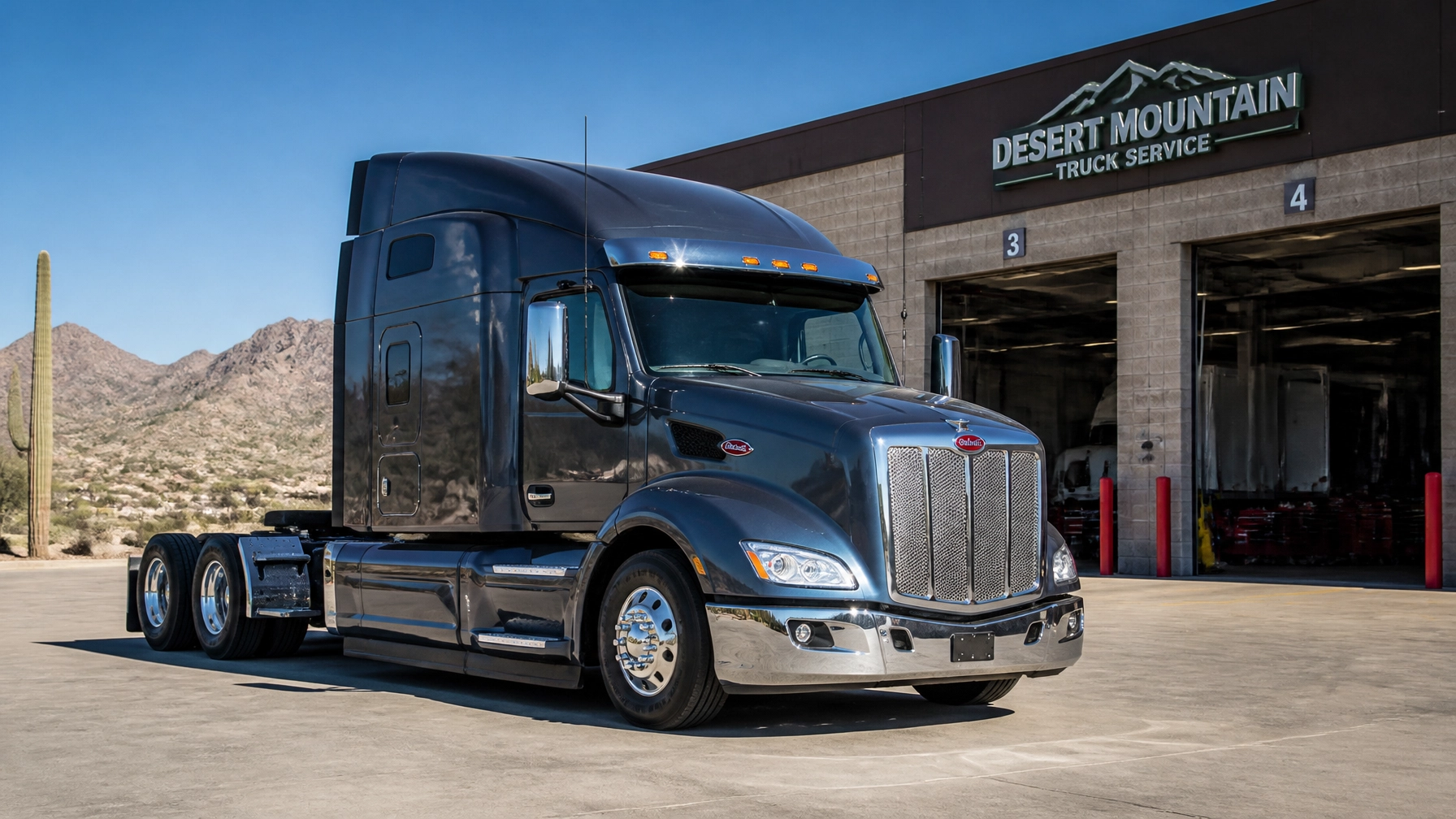
Operating a commercial fleet or managing owner-operator rigs across Luna County comes with a unique set of challenges. If you spend your days hauling freight down I-10 or navigating dusty ranch roads around Deming, your rubber is on the front line. When ambient summer temperatures soar and asphalt temperatures push well past 140°F, inferior tires don’t just wear down prematurely: they fail catastrophically.
For local fleet managers and trucking companies, choosing the right commercial rubber is a high-stakes balancing act. Pick the wrong tread pattern or an inadequate load rating, and you are looking at unexpected downtime, soaring operational costs, and roadside emergencies that derail your delivery schedules.
As a trusted local partner for heavy-duty mechanical care, Big Sky Tire & Repair understands what Southwest highways demand from your equipment. Whether you need reliable truck tire repair or expert guidance on selecting your next set of steer, drive, and trailer tires, making informed choices keeps your business rolling safely and profitably.
The High-Desert Heat Factor: Why Deming Fleets Need Specialized Tire Specs
Operating in southern New Mexico is vastly different from running trucks through the Pacific Northwest or the Midwest. The combination of intense solar radiation, abrasive chip-seal highways, and long interstate hauls creates extreme thermal stress on commercial tire casings.
When a tire rolls down the highway under heavy load, the flexing sidewall naturally generates internal heat. In Deming’s summer heat, that ambient temperature acts like an oven, trapping heat inside the rubber. If your tires lack adequate heat dissipation properties or are improperly inflated, the rubber compounds soften, steel belts separate, and tread chunks begin to chunk or tear away.
Selecting tires engineered for high-temperature durability and regional or line-haul service is your first line of defense against unexpected blowouts. But durability starts long before you hit the pavement: it starts with understanding axle-specific demands and load ratings.
Breaking Down Axle-Specific Tread Patterns: All-Position vs. Drive vs. Trailer
Not all commercial tires are created equal, and putting the wrong tread design on the wrong axle will destroy your fuel economy and shorten tire life. Let’s look at how to match tread patterns to your fleet’s specific operational needs.
Steer and Trailer Tires: The Power of Rib Designs
Your steer and trailer positions require precision, stability, and low rolling resistance. For these axles, rib designs: featuring longitudinal grooves running parallel to the direction of travel: are the gold standard.
- Steer Tires: Engineered to provide precise handling and straight-line stability. In high-desert conditions, premium rib steer tires with heat-resistant compounds prevent shoulder wear and maintain cornering control.
- Trailer Tires: Designed for load stability and high mileage. Trailer rib tires carry heavy freight efficiently while resisting irregular wear caused by scrub and cornering forces.
Drive Tires: Traction and Block Patterns
Your drive axle is responsible for transmitting raw engine torque to the pavement. Here, you need block or lug patterns with lateral grooves perpendicular to travel.
- Drive Tires: These provide the necessary traction in sudden desert downpours, loose caliche, or gravel yards.
- The Desert Trade-Off: While aggressive, deep lugs offer incredible traction, they also flex more and generate higher operating temperatures on long highway runs. For Deming fleets running mostly paved routes, moderate lug or regional block patterns strike the ideal balance between traction and heat reduction.

Understanding Load Ratings and Ply Ratings for Heavy Freight
When you are hauling heavy payloads across New Mexico, guessing your load capacity is an invitation for disaster. Commercial tires utilize standardized Load Range letters and numeric Load Indices to indicate how much weight a tire can safely support at specific inflation pressures and speeds.
- Load Range (F, G, H, etc.): Historically tied to ply ratings, these letters indicate the structural strength of the casing. Most heavy highway semi-trucks operating near legal gross weight limits rely on Load Range H (roughly equivalent to 16-ply construction), capable of handling massive loads per corner.
- Single vs. Dual Ratings: Always pay attention to the dual rating when your trucks run dual-wheel configurations on drive and trailer axles. Dual ratings are lower than single ratings for the same tire because of thermal retention between adjacent tires.
- Speed Symbols: Commercial tires feature speed ratings (such as J, K, or L) that dictate their maximum safe operating speed under rated load. In high-desert heat, exceeding these speed limits accelerates structural fatigue. Always ensure your tire speed symbols match or exceed your sustained highway cruising speeds.
Weigh your loaded axles regularly on certified scales rather than relying on estimates. Comparing your actual scale weights directly against manufacturer load-and-inflation tables ensures your tires operate within their intended engineering limits.
Inflation Pressure Management: The Ultimate Defense Against Heat
Even the most expensive, heavy-duty rubber will fail prematurely if your maintenance practices fall short. Under-inflation is the silent killer of commercial tires. When air pressure drops, the tire’s sidewall flexes excessively, compounding internal friction and causing catastrophic casing temperatures.
- Check Cold Pressures Regularly: Always check tire pressures when tires are completely “cold” (before the rig has rolled out for the day, out of direct sunlight).
- Ditch the “Thump” Method: Never rely on hitting tires with a club or mallet to gauge pressure. Use a calibrated air gauge to maintain exact manufacturer-recommended pressures across all steer, drive, and trailer positions.
- Avoid Bleeding Air: Some operators make the mistake of bleeding air out of hot tires during pre-trip inspections on sweltering Deming afternoons. Temperature increases pressure naturally; bleeding air leaves the tire under-inflated once it cools down, spiking heat risk on the next run.
Why Professional Tire Service Matters for Your Bottom Line
When a tire failure does occur on the highway or in your yard, time is money. Waiting hours for service disrupts logistics chains and damages client relationships. That is why partnering with a full-service local tire shop deming nm makes all the difference.
Professional commercial tire service goes beyond simple mounting and balancing. Expert technicians provide:
- Precise Laser Alignments: Misaligned axles scrub tread away in thousands of miles, destroying expensive casings before their time.
- Casing Management and Retreading Audits: Evaluating whether high-quality premium casings are suitable for retreading, saving your fleet thousands of dollars annually.
- Rapid Mobile Support: Access to professional semi truck tire repair deming nm when trucks encounter nails, blowouts, or valve stem failures out on the interstate. For more safety tips while stranded on the highway, check out our guide on 24-hour roadside assistance in Deming, NM.
Keep Your Fleet Rolling with Confidence
Choosing the right semi-truck tires for your Luna County operation requires looking at the big picture: balancing axle-specific tread designs, verifying robust load ranges, and fighting high-desert heat through rigorous inflation discipline. By investing in quality casings and partnering with experienced local professionals, you protect your drivers, reduce unexpected downtime, and maximize your cost-per-mile.
If your trucks are due for new rubber, seasonal inspections, or emergency service, Big Sky Tire & Repair is here to help. Explore our full range of automotive and heavy-duty services by visiting our blog or stopping by our shop today. Let’s keep your fleet moving safely down the road!