

How Often Should Tires Be Replaced?
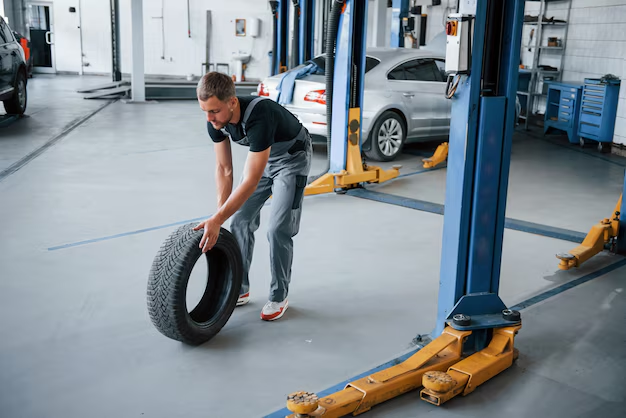
Tires are one of the most crucial components of your vehicle. They ensure safety, provide traction, and affect your vehicle’s fuel efficiency. Yet, many drivers in Deming, NM, often overlook tire maintenance, including knowing when to replace them. In this guide, we’ll explore how often tires should be replaced, discuss the factors affecting tire longevity, and offer practical tips to help you make informed decisions about your vehicle’s tires.
Understanding Tire Longevity
Tires, like most car parts, have a limited lifespan. Knowing how long they last can help you plan for replacements and avoid unexpected tire-related issues.
Average Tire Lifespan
Most tires last between 25,000 and 50,000 miles. However, this can vary based on several factors, such as the tire type, driving conditions, and maintenance practices. For instance, high-performance tires may wear out faster than standard all-season tires due to softer rubber compounds. Imagine you regularly drive from Deming to the bustling streets of Las Cruces; the frequent stops and starts can hasten tire wear.
Factors Affecting Tire Lifespan
– Driving Habits: Aggressive driving, frequent braking, and high-speed driving can shorten tire life. If you often find yourself accelerating quickly or braking hard, like during a hectic morning commute, your tires are likely enduring more stress.
– Road Conditions: Rough roads, potholes, and debris can cause premature tire wear. For example, navigating the older, less maintained roads around Deming can take a toll on your tires, leading to more frequent replacements.
– Climate: In a place like Deming, NM, where temperatures can soar, heat can expedite tire degradation. The intense heat can cause the rubber to break down more quickly, a common scenario for those who frequently park in unshaded areas.
– Tire Maintenance: Regularly checking tire pressure, alignment, and rotation can extend tire life. Keeping a close eye on these maintenance tasks can save you money in the long run by delaying the need for new tires.
Recognizing Signs of Tire Wear
Regular inspections are vital to ensure your tires remain in good condition. Here are some signs that indicate it’s time to consider replacements.
Tread Depth
The tread depth is crucial for maintaining traction, especially in wet or slippery conditions. A simple way to check tread depth is the penny test. Insert a penny into the tire’s tread groove with Lincoln’s head upside down. If you can see all of Lincoln’s head, it’s time to replace the tires. This is not just a handy trick but a critical safety check, considering that poor tread can increase stopping distances on wet roads.
Cracks and Bulges
Inspect your tires for visible cracks or bulges. These can be signs of damage from road hazards or aging. Such issues can lead to tire blowouts, compromising safety. Imagine driving through the scenic yet rugged trails around the Florida Mountains; encountering sharp rocks can easily cause such damage.
Uneven Wear Patterns
Uneven tire wear often indicates misalignment or suspension problems. If you notice this, it’s essential to address the underlying issue and consider replacing the tires. Misalignment might lead to one side of the tire wearing out faster, which can also affect your vehicle’s handling and fuel economy.
Seasonal Considerations for Tire Replacement
Different seasons can affect tire performance and lifespan. Understanding how seasons impact your tires can help you decide when to replace them.
Summer Tires
In Deming, NM, the summer heat can be intense. Summer tires are designed for performance and grip in warm conditions but may wear faster in high temperatures. Make sure to monitor their condition more frequently during peak heat months. These tires, while providing excellent handling, might not be cost-effective if frequently exposed to extreme heat, leading to premature replacements.
Winter Tires
While winters in Deming are mild, if you plan to travel to colder regions, winter tires are advisable. They provide better traction in cold weather but should be replaced when the tread wears down or if they’re used in warm conditions, which can degrade them faster. This is particularly relevant if you often visit the snow-laden areas in the northern parts of New Mexico.
All-Season Tires
All-season tires are versatile, suitable for varying weather conditions without the need for seasonal changes. However, they should still be inspected regularly for wear and tear, especially after harsh weather. They might be a more economical choice for drivers in Deming, considering the region’s mild seasonal changes.
Practical Tips for Extending Tire Lifespan
Proper tire maintenance can significantly extend their lifespan, ensuring safety and efficiency.
Regular Tire Rotation
Rotating your tires every 5,000 to 8,000 miles can help distribute wear evenly. This practice can prevent premature tire replacement and improve handling. It’s wise to do this when you change your oil, making it a convenient addition to your regular maintenance routine.
Maintaining Correct Tire Pressure
Underinflated tires can cause increased rolling resistance, leading to faster wear and reduced fuel efficiency. Check your tire pressure monthly and before long trips, adjusting as necessary. Investing in a good-quality tire pressure gauge can be a small cost with significant benefits.
Alignments and Balancing
Regular wheel alignments ensure that your tires wear evenly and help maintain optimal handling. Balancing your tires whenever you rotate them can also prevent uneven wear. Ignoring alignment can lead to costs beyond just tires, as it can affect suspension and steering components over time.
When to Seek Professional Advice
Sometimes, tire issues aren’t easily visible. Consulting a professional can provide peace of mind and prevent potential hazards.
Routine Inspections
Schedule routine tire inspections with a professional, especially if you’re unsure about their condition. A professional can identify problems you might miss and offer expert advice on replacements. This is a smart move before embarking on long road trips, where tire reliability is key.
Unusual Vibrations or Noise
If you experience unusual vibrations or noise while driving, it could indicate tire or alignment issues. It’s crucial to have your vehicle inspected to determine the cause and prevent further damage. These symptoms are often precursors to more significant issues that could be costly if not addressed.
Post-Road Hazard Events
After hitting a pothole or running over debris, have your tires checked. Such events can cause internal damage that isn’t immediately apparent but can lead to significant issues later. The cost of a professional check is minimal compared to the potential expense of a blowout on the highway.
Making the Right Choice for Your Vehicle
Choosing when to replace your tires depends on various factors, including your driving habits and the conditions you encounter. Prioritizing safety and performance will guide you to make the best decision for your vehicle.

Ultimately, if you’re uncertain about your tires’ condition or need professional advice, contact Big Sky Tire & Repair in Deming, NM. Our team of experts is ready to assist you with all your tire needs, ensuring you stay safe on the road. Don’t wait until it’s too late—reach out today!